

Tag: golf
-

Want to Play Better Golf ? Stop Playing.
What Happens When I Take a Break I took my annual two-week sabbatical from golf in September. During this time I don’t touch a club, think about my game, or even watch a tournament on TV. I don’t want to compare my swing to the pros or be tempted to break my break. When I…
-

To Be or Not to Be Player B
Every golfer knows Player B. He shows up after a poor shot, when you drop a second ball and take another pass. He’s your second swing, your second mind—and he’s almost always better than you. Sometimes he’s near perfect. So the question asks: how do we become Player B all the time? It’s the obvious…
-
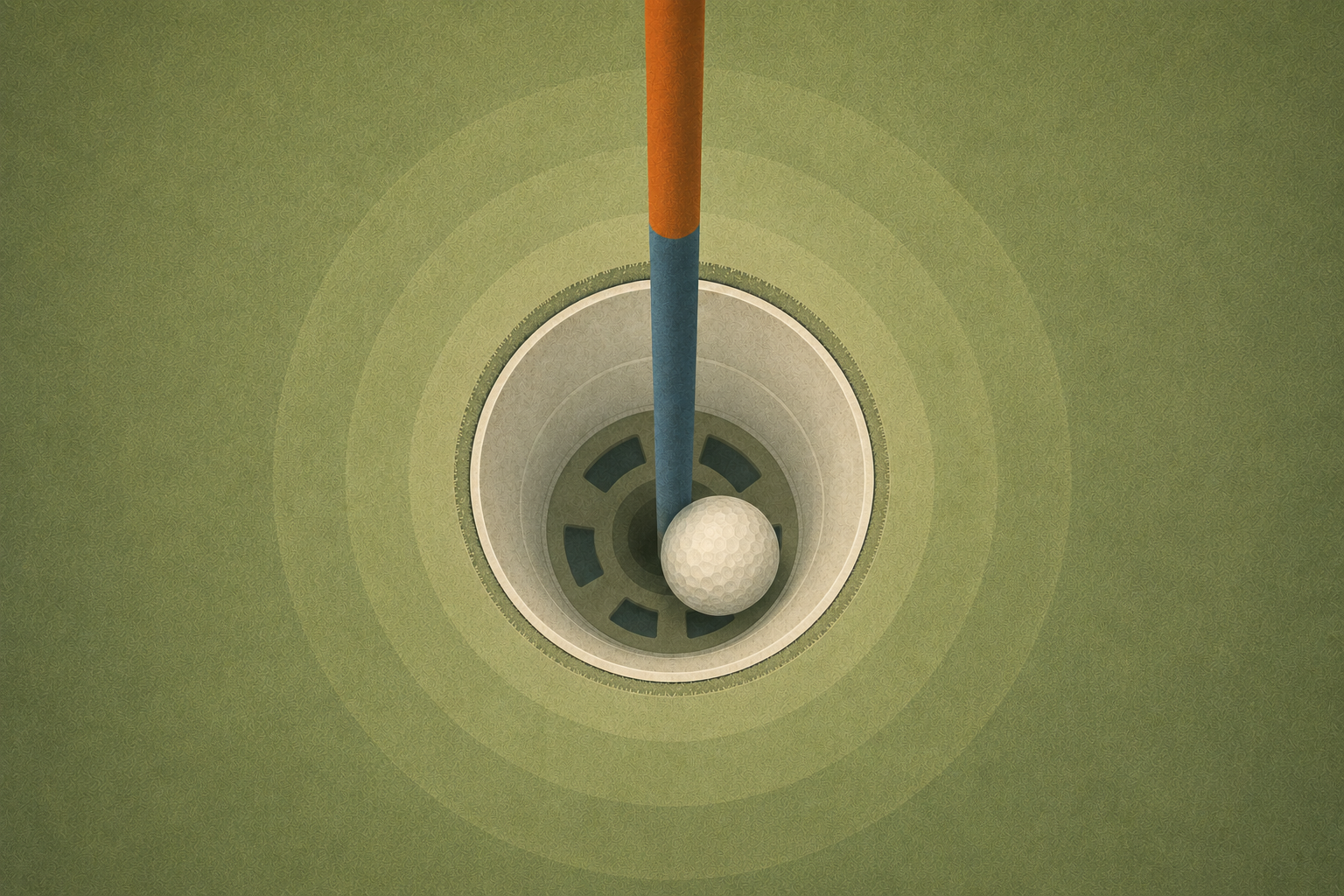
The Hole Gets Smaller
We all want to be better putters. Harvey Penick, the legendary head pro at the Austin Country Club in Texas and author of The Little Red Book, famously said, “A good putter is a match for anyone. A bad putter is a match for no one.” What does it mean to be a good putter? The…
-
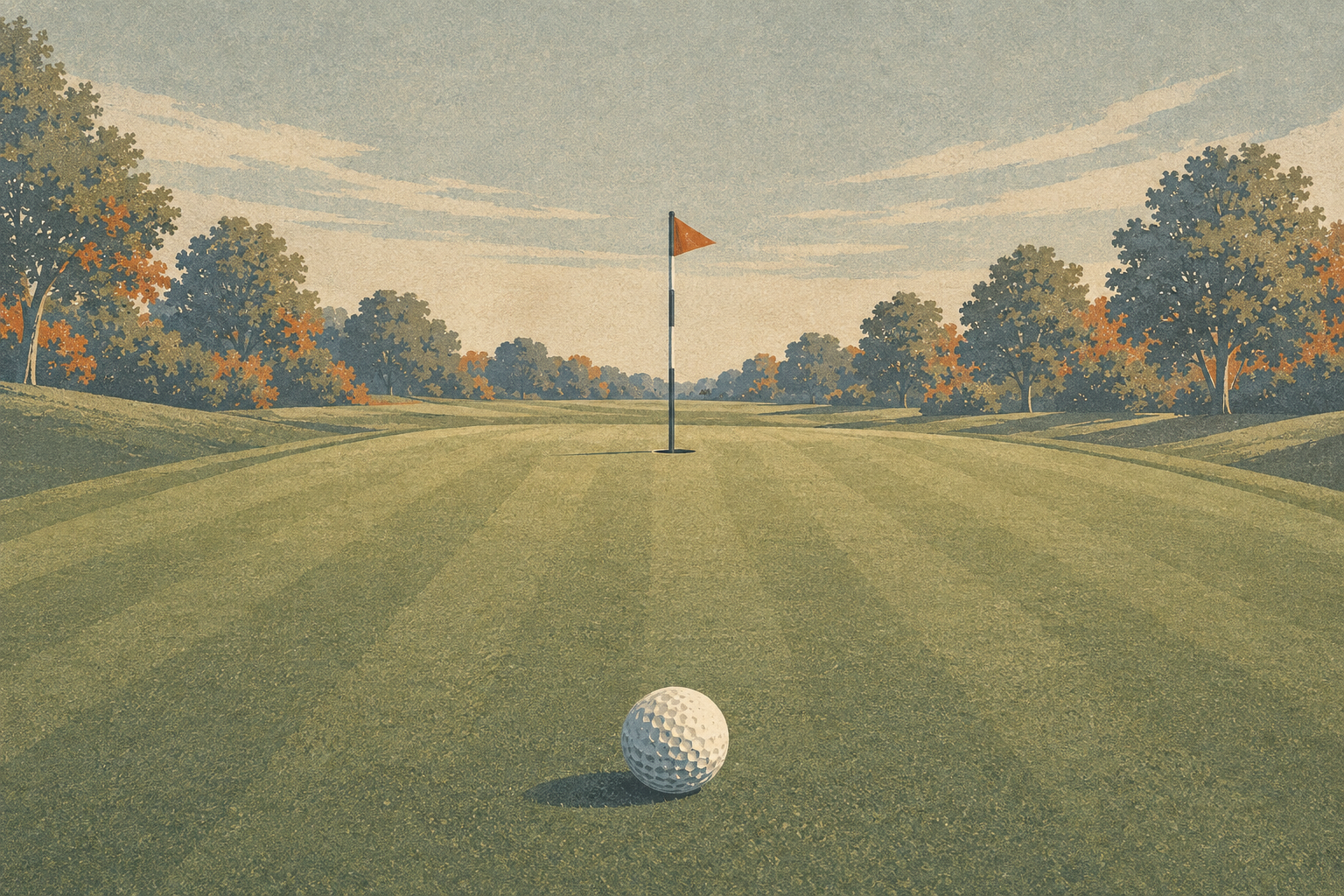
Read Wide, Aim Narrow
On average, putts can make up 40% of our stroke count per round. The putting stroke is the simplest motion in golf, and arguably the hardest golf skill to do consistently under pressure. The reason for that isn’t mechanical—it’s mental. Your stroke doesn’t change much from putt to putt, but hills, tiers, elevation changes, and…
-
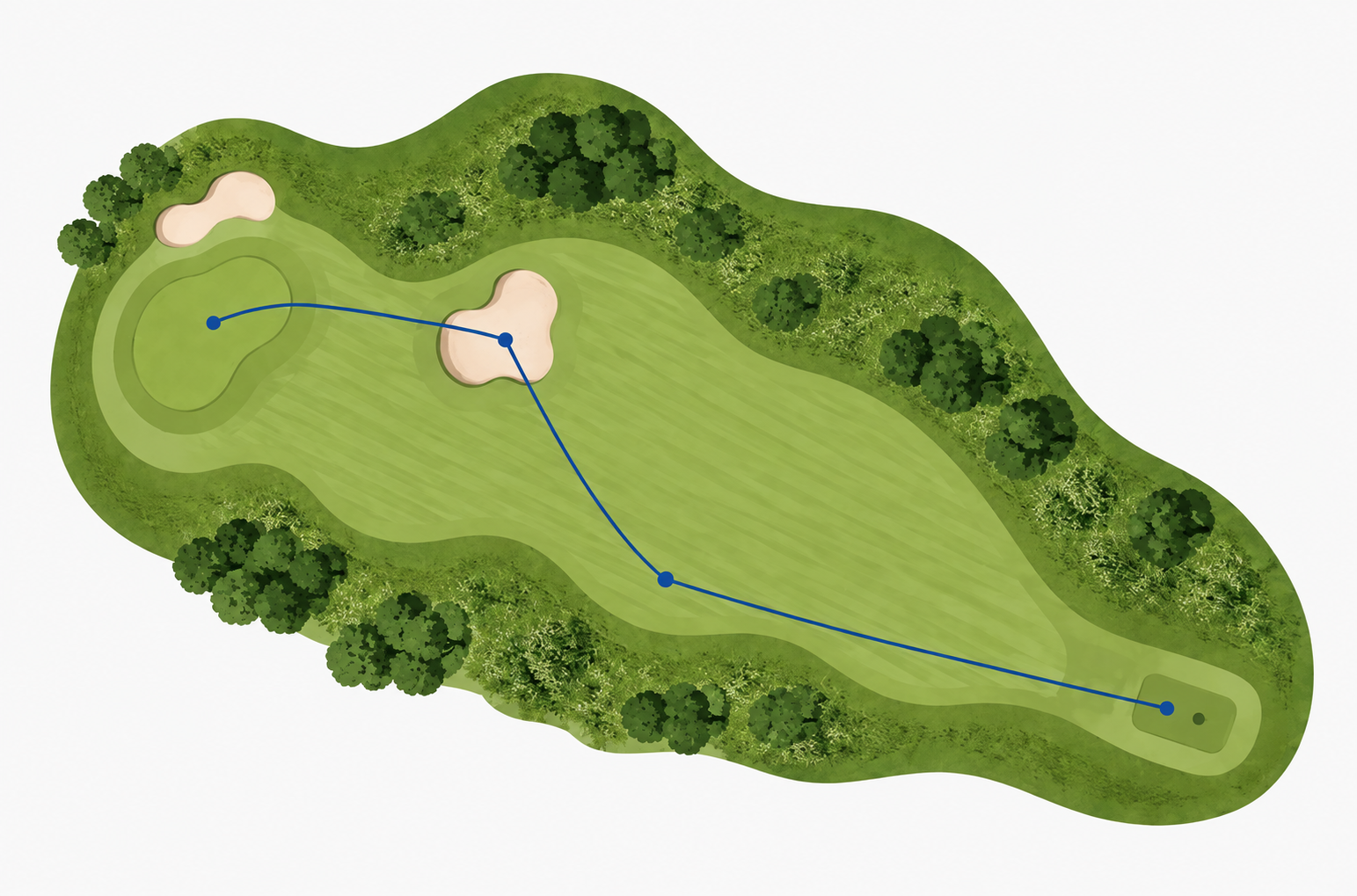
There is No Straight Line
The Zigzag Nature of Golf Playing golf is a journey across acres of ground—some perfectly manicured, some filled with sand, some less friendly. When you mishit a drive into the trees or a bunker with a high lip, the stress of it can pull you straight out of the present moment. The spontaneous reaction is…
-

The Tool You Never Practice
It’s a common affliction. You make a practice swing just before addressing the ball. Maybe you take a couple. More often than not, they’re smooth—sometimes even perfect. This is followed by a thought: I just need to make that swing. You step into your address and swing, but the swing that counts doesn’t resemble the one you…
-

How Playing Partners Affect Your Score
You’re playing well. Then your partner hits one out of bounds, slams his club, and mutters his way to the cart. Or maybe your partner is constantly talking in between shots, or even while you are hitting your shot. A few minutes later you’re tight over the ball for no reason you can name. You…
-
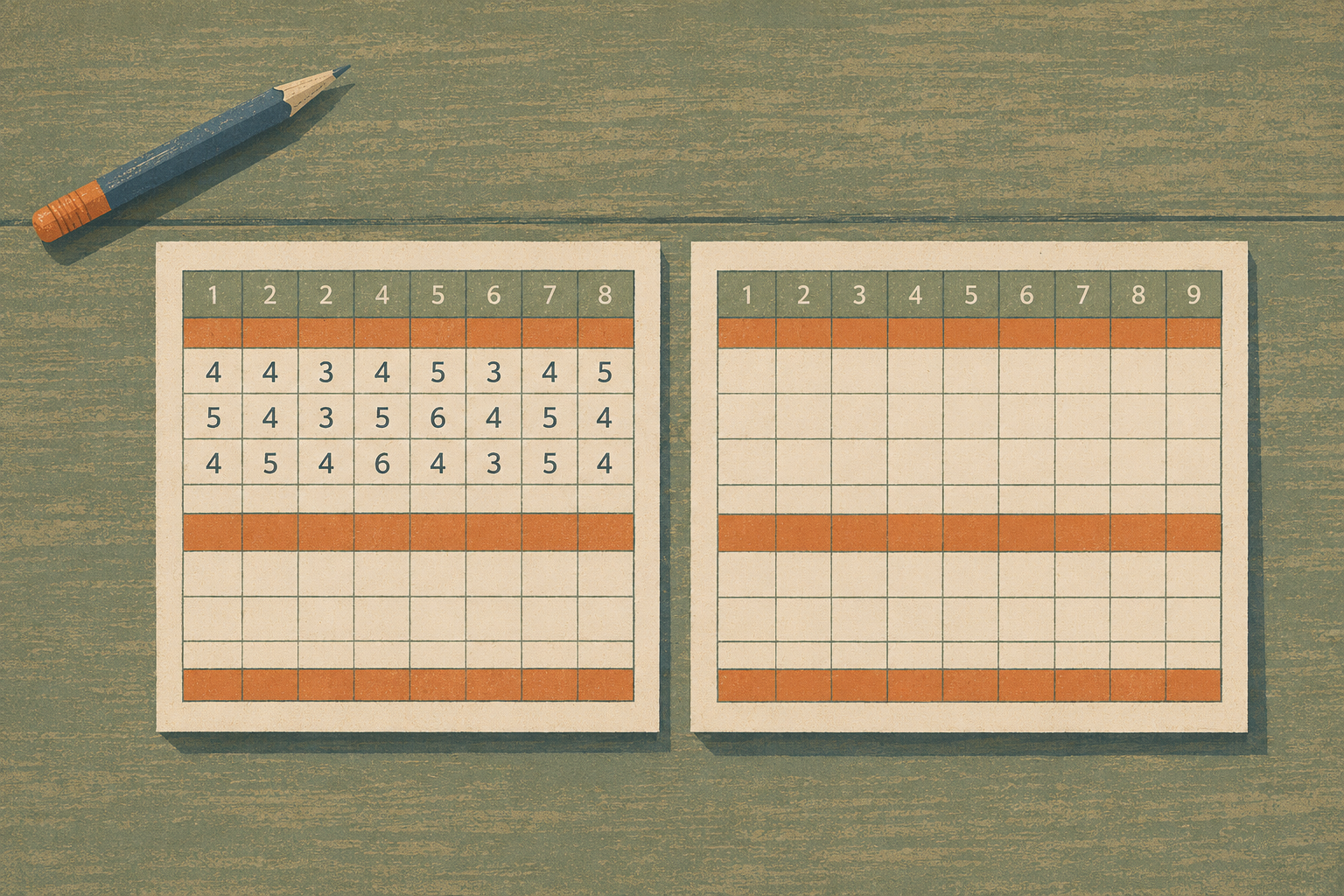
The Number Your Scorecard Doesn’t Show
Two rounds. Same score, 84 both times. In the first, you felt in control for the majority of the round. Present on every shot, quiet mind, no static. In the second, you fought yourself the entire way—tense over full swings, second-guessing putts, relieved every time a bad shot didn’t get worse. Looking at the two…
-

The Practice Blind Spot
Many golfers overly focus on full swing practice while neglecting short game and putting, which together account for over half their strokes. Adjusting practice to reflect shot distribution can significantly improve confidence and reduce scores on the course.
-

Invisible Drift
You’re striking the ball well. Then one shot in ten feels off. Poor contact. Unexpected direction. Easy to dismiss. That’s golf. But it crops up again. One in four. One in three. Something has changed, and you didn’t notice what had. This is invisible drift—imperceptible changes in your setup, swing, or your mind that accumulate…
-

A Smart Way to Track Progress
Some golfers watch their handicap index the way investors watch a stock price—refreshing it after every round, hoping for movement in the right direction. It’s a natural instinct, and serious golfers should register and enter scores into the system. The Handicap System The USGA’s World Handicap System calculates your index from the best 8 of…
-

Scottie and Collin: The Mental Game at Work
Two of the best golfers in the world recently said something that should stop every serious player in their tracks. Neither used the words mindfulness, presence, or flow. But that’s exactly what they were describing. Pay attention. Pebble Beach: February 2026 Collin Morikawa stood on the 18th fairway needing a birdie to win the AT&T…
-

The Motion is the Memory
We often talk about “muscle memory” in golf. Grooving your swing. Pitch shots or putts you’ve practiced so many times they’re automatic. Repeatable motions you can trust under pressure. But your muscles don’t have memory. The proper term is “motor memory.” Memory lives in your brain—specifically in the neural circuits that produce the motion. Understanding…
-
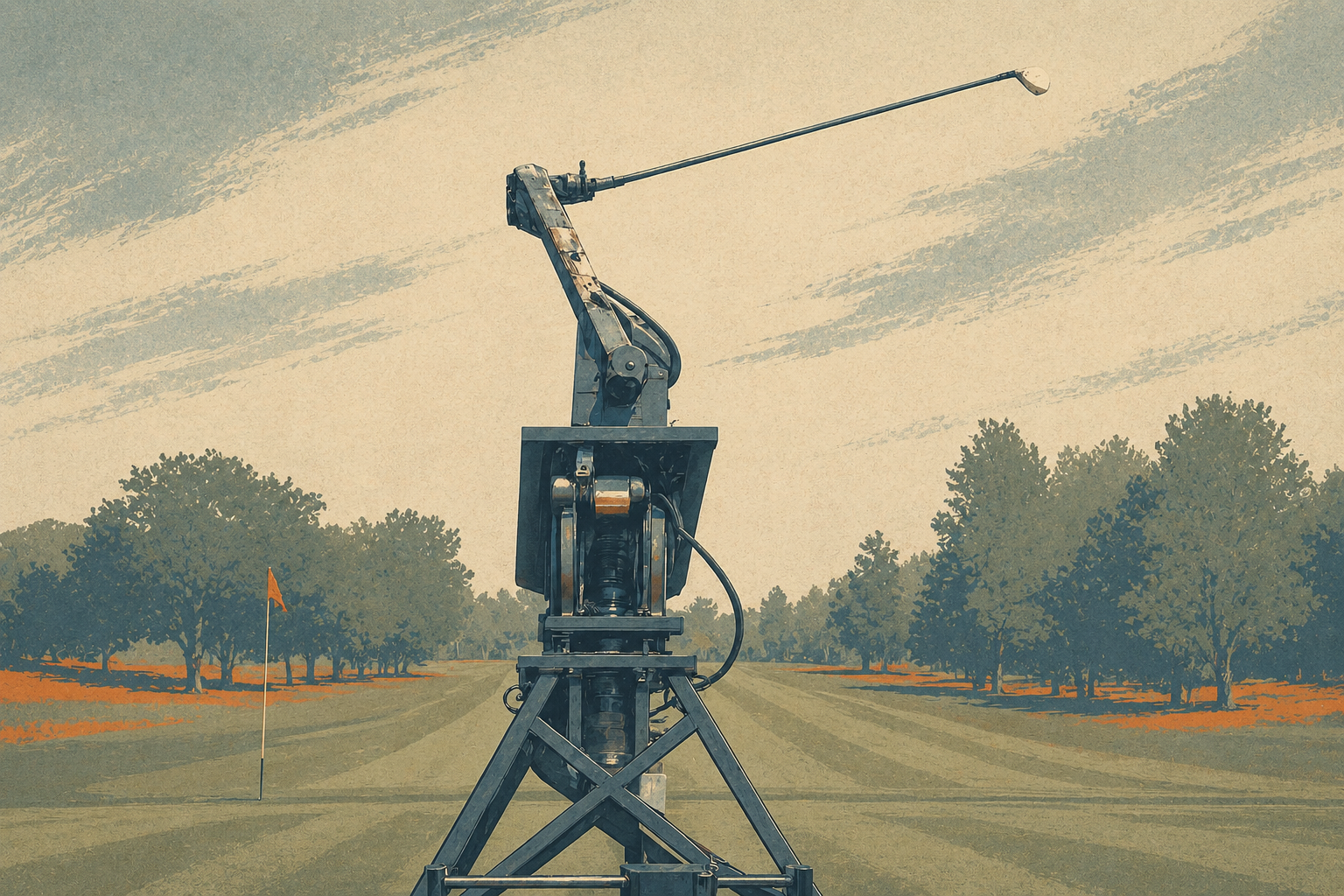
A Robot Never Misses (You are Not a Robot)
The Golf Labs robot can replicate Tiger Woods’s swing or a weekend hacker’s slice. Set the parameters, press start, and it delivers the exact same shot—perfectly—every single time. The Golf Labs robot has been the industry standard for testing equipment for over 30 years. It’s how manufacturers know if that new driver really adds 10…
-

Waiting Between Shots
You’re standing on the tee. The group ahead is still in the fairway. Five, maybe seven minutes before you can hit. What happens in your head? If you’re like most golfers, you find this annoying. A violation of your right to play when you’re ready. “What is that guy doing? Why doesn’t he just hit…